
المدخل الزمني في قراءة الخطاب القرآني: الأسس المنهجية والآفاق المقاصدية
Article Sidebar
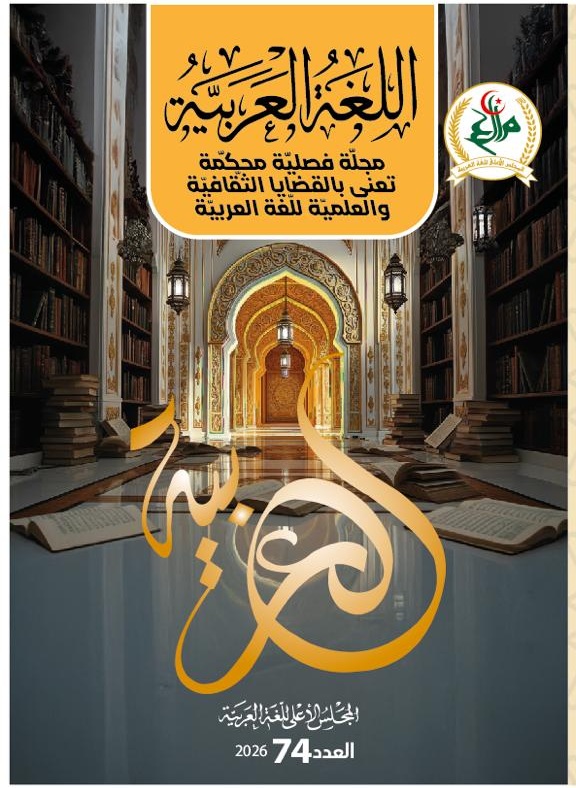
Main Article Content
Abstract
This article aims to elucidate the authentic Qurʾānic methodology in receiving and understanding revelation. The Qurʾān does not merely present meaning; rather, through its discursive structure, it establishes the conditions for producing meaning and the principles governing its comprehension. The study demonstrates that neglecting these conditions leads to deviation in understanding and undermines the overarching objectives of the text. The article also seeks to highlight time as a systematic methodological entry for understanding the Qurʾānic discourse, through an applied reading of the project of ʿAbdūsh al-ʿAbbās. This reading reveals the presence of time as a structural element that guides meaning and purpose. The study concludes that the temporal approach, as employed by ʿAbdūsh al-ʿAbbās, offers a methodological model for renewing Qurʾānic exegesis within a maqāṣid-based framework that preserves the sanctity of the text and safeguards its unity.
Article Details

This work is licensed under a Creative Commons Attribution-NonCommercial 4.0 International License.




References
1- ابن منظور. لسان اللسان: تهذيب لسان العرب. ج2، ط1، دار الكتب العلمية، لبنان، 1993م.
2- الراغب الأصفهاني. المفردات في غريب القرآن. ط1، دار ابن الجوزي، القاهرة، 2012م.
3- الزمخشري. الكشاف عن حقائق التنزيل. ج3، دار المعرفة، لبنان، (د.ت).
4- سيد قطب. في ظلال القرآن. مج6، ط15، دار الشروق، القاهرة، 1988م.
5- طه عبد الرحمن. في أصول الحوار وتجديد علم الكلام. ط2، المركز الثقافي العربي، 2000م.
6- العباس عبدوش. الزمن والزمانية في القرآن الكريم. جمع وإعداد: طلبة الأستاذ العباس عبدوش، دار الخيال للنشر والترجمة، الجزائر، 2024م.
7- محمد بن موسى بابا علي. مفهوم الزمن في القرآن الكريم. دار وحي القلم، ط1، 2008م.
8- مصطفى الصاوي الجويني. مناهج في التفسير. منشأة المعارف، الإسكندرية، (د.ت).
9- يوسف القرضاوي. كيف نتعامل مع القرآن. مؤسسة الرسالة للطباعة والنشر والتوزيع، ط1، لبنان، 2001م.
10- عبد الرحمن حللي. "المستويات القرآنية لمنهج التعامل مع النص: مناهج الاستمداد من الوحي." العدد 2، دار أبي رقراق للنشر والتوزيع، المغرب، 2008م.
1- Ibn Manẓūr. Lisān al-Lisān: Tahdhīb Lisān al-ʿArab. J2, Ṭ1, Dār al-Kutub al-ʿIlmiyya, Lubnān, 1993.
2- al-Rāghib al-Aṣfahānī. al-Mufradāt fī Gharīb al-Qurʾān. Ṭ1, Dār Ibn al-Jawzī, al-Qāhira, 2012.
3- al-Zamakhsharī. al-Kashshāf ʿan Ḥaqāʾiq al-Tanzīl. J3, Dār al-Maʿrifa, Lubnān, (d.t.).
4- Sayyid Quṭb. Fī Ẓilāl al-Qurʾān. Maj.6, Ṭ15, Dār al-Shurūq, al-Qāhira, 1988.
5- Ṭāhā ʿAbd al-Raḥmān. Fī Uṣūl al-Ḥiwār wa-Tajdīd ʿIlm al-Kalām. Ṭ2, al-Markaz al-Thaqāfī al-ʿArabī, 2000.
6- al-ʿAbbās ʿAbdūsh. al-Zaman wa-al-Zamāniyya fī al-Qurʾān al-Karīm. Jamʿ wa-Iʿdād: Ṭullāb al-Ustād al-ʿAbbās ʿAbdūsh. Dār al-Khayāl li-l-Nashr wa-al-Tarjama, al-Jazāʾir, 2024.
7- Muḥammad ibn Mūsā Bābā ʿAlī. Mafhūm al-Zaman fī al-Qurʾān al-Karīm. Dār Waḥy al-Qalam, Ṭ1, 2008.
8- Muṣṭafā al-Ṣāwī al-Juwaynī. Manāhij fī al-Tafsīr. Munshaʾat al-Maʿārif, al-Iskandariyya, (d.t.).
9- Yūsuf al-Qaraḍāwī. Kayfa Nataʿāmal maʿa al-Qurʾān. Muʾassasat al-Risāla li-l-Ṭibāʿa wa-al-Nashr wa-al-Tawzīʿ, Ṭ1, Lubnān, 2001.
10- ʿAbd al-Raḥmān Ḥallālī. "al-Mustawayāt al-Qurʾāniyya li-Manhaj al-Taʿāmu l maʿa al-Naṣṣ: Manāhij al-Istimdād min al-Waḥy." al-ʿAdad 2, Dār Abī Riqrāq li-l-Nashr wa-al-Tawzīʿ, al-Maghrib, 2008.