
Pilgrimage discourse in Arabic rhetoric Through the book “EL IDHAH”
Article Sidebar
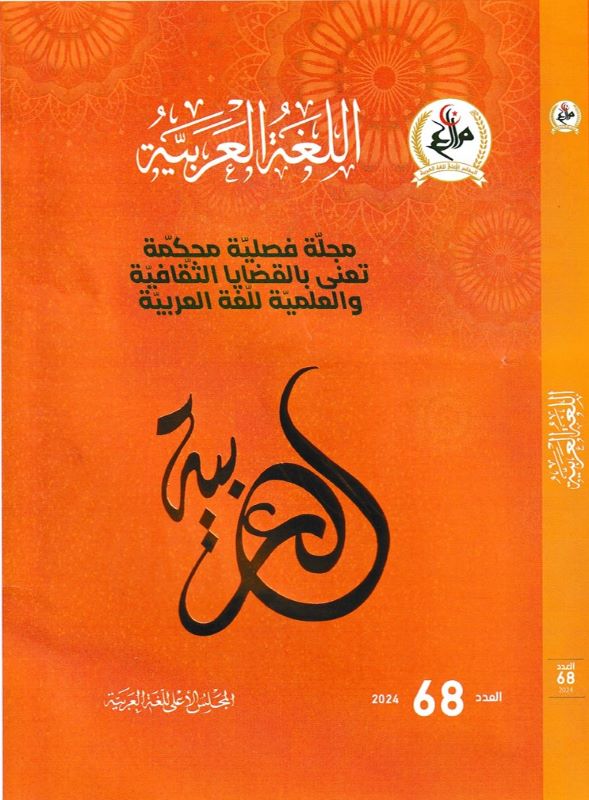
Main Article Content
Abstract
This study attempts to shed light on one aspect of the new eloquence (Rhetoric)/ eloquence of argumentation, by attempting to root out our ancient Arabic linguistic heritage, specifically in the eloquence (Rhetoric) of KAZWINI through his book “EL IDHAH” in the sciences of Rhetoric. This rhetoric approach has revealed to us that KAZWINI’S eloquence is a good representative of many modern linguistic terms particularly the pragmatic theory. This study also revealed to us the other side of the rhetorical mechanisms that the orator uses when he tries to convince the other a satisfying convince. And then satisfy the other’s emotions until he convinces him about what he cast on. Moreover, The KAZWINI’S book “EL IDHAH”, with its references to these metaphorical expressions and its ability to move souls and revitalize minds, got derived its argumentation nature from the metaphorical expressions. In general, this book is rich, and has been able to provide us with a set of linguistic concepts that it considers to be important and common between the new and ancient eloquence.
Article Details

This work is licensed under a Creative Commons Attribution-NonCommercial 4.0 International License.




References
1- ساميّة الدريدي، الحجاج في الشعر العربي القديم (من الجاهلية إلى القرن الثاني الهجري): بناياته وأساليبه، عالم الكتب الحديث، ط1، 2001م، ص21.
2- طه عبد الرحمن، اللسان والميزان والتكوثر العقلي، ص266.
3- حبيب أعراب، "الحجاج والاستدلال الحجاجي"، مجلة عالم الفكر، دورية محكمة، الكويت، العدد 1، سبتمبر 2011م، ص97-98.
4- الجاحظ، البيان والتبيين، ج1، ص79، 133.
5- ابن رشيق، العمدة في محاسن الشعر وآدابه ونقده، تحقيق: عبد القادر أحمد عطا، بيروت: دار الكتب العلمية، 2001م، ص247.
6- ابن الظافر الشهري، استراتيجية الخطاب، ص477.
7- الجرجاني، دلائل الإعجاز، ص95-96، ص66.
8- السكاكي، مفتاح العلوم، ص435، 412، 341.
9- الجرجاني، أسرار البلاغة، ص117، ص108، 122، ص92-93، ص20.
10- السيوطي، المزهر في علوم اللغة وأنواعها، ج1، ص38.
11- عبد السلام عشير، عندما نتواصل نغير، ص120.
12- أبو بكر العزاوي، اللغة والحجاج، ص102.
13- عبد الرحمن الحاج صالح، الخطاب والتخاطب في نظرية الوضع والاستعمال العربية، المؤسسة الوطنية للفنون المطبعية، الرغاية – الجزائر، 2012م، ص241.
14- أبو بكر العزاوي، حوار حول الحجاج، الأحمدية للنشر، الدار البيضاء، ط1، 2000م، ص35-36.
15- صابر الحبارشة، التداولية والحجاج، ص51.
16- Ducrot Oswald, Les échelles argumentatives, Éditions de Uimint, Paris, 1989, p.12.
17- Perelman, Traité de l’argumentation, p.35.
1- Sāmiyya al-Dirīdī, al-Ḥijājj fī al-shiʿr al-ʿArabī al-qadīm (min al-jāhiliyya ilā al-qarn al-thānī al-hijrī): banāyātuhu wa-asālībuhu, ʿĀlam al-Kutub al-Ḥadīth, ṭ.1, 2001 M, p.21.
2- Ṭāhā ʿAbd al-Raḥmān, al-Lisān wa-l-mīzān wa-l-takawthur al-ʿaqlī, p.266.
3- Ḥabīb Aʿrāb, “al-Ḥijājj wa-l-istidlāl al-ḥijājjī,” Majallat ʿĀlam al-Fikr, dawriyya muḥakkama, al-Kuwayt, ʿadad 1, Sabtambar 2011 M, pp.97–98.
4- al-Jāḥiẓ, al-Bayān wa-l-tabyīn, j.1, pp.79, 133.
5- Ibn Rashīq, al-ʿUmda fī maḥāsin al-shiʿr wa-ādābihi wa-naqdihi, taḥqīq: ʿAbd al-Qādir Aḥmad ʿAṭā, Bayrūt: Dār al-Kutub al-ʿIlmiyya, 2001 M, p.247.
6- Ibn al-Ẓāfir al-Shahri, Istrātījiyya al-khiṭāb, p.477.
7- al-Jurjānī, Dalāʾil al-iʿjāz, pp.95–96, 66.
8- al-Sakkākī, Miftāḥ al-ʿulūm, pp.435, 412, 341.
9- al-Jurjānī, Asrār al-balāgha, pp.117, 108, 122, 92–93, 20.
10- al-Suyūṭī, al-Muzhir fī ʿulūm al-lugha wa-anwāʿihā, j.1, p.38.
11- ʿAbd al-Salām ʿAshīr, ʿIndamā natawāṣal nughaīr, p.120.
12- Abū Bakr al-ʿAzāwī, al-Lugha wa-l-ḥijājj, p.102.
13- ʿAbd al-Raḥmān al-Ḥājj Ṣāliḥ, al-Khiṭāb wa-l-takhāṭub fī naẓariyyat al-waḍʿ wa-l-istʿimāl al-ʿArabiyya, al-Muʾassasa al-waṭaniyya li-l-funūn al-maṭbūʿiyya, al-Raghāya – al-Jazāʾir, 2012 M, p.241.
14- Abū Bakr al-ʿAzāwī, Ḥiwār ḥawl al-ḥijājj, al-Aḥmadiyya li-l-nashr, al-Dār al-Bayḍāʾ, ṭ.1, 2000 M, pp.35–36.
15- Ṣābir al-Ḥabbārsha, al-Tadāwuliyya wa-l-ḥijājj, p.51.
16- Ducrot Oswald, Les échelles argumentatives, Éditions de Uimint, Paris, 1989, p.12.
17- Perelman, Traité de l’argumentation, p.35.