
Investigating the two melodic and semantic structures of the rhyme and the method of using them in Anwar Salman’s poems
Article Sidebar
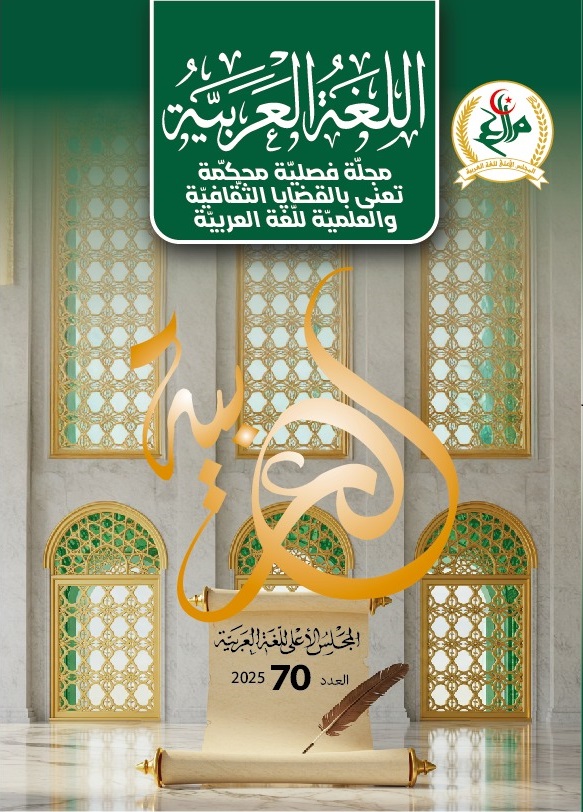
Main Article Content
Abstract
Indeed, rhyme is the basis for strengthening
the structure of external music in a literary text, and its
application is related to the inner states of the poet. It means
that its role is not limited to the melodic side but also
includes the semantic side. This research tries to investigate
the types of rhymes in the vertical poems and the poems of
"Anwar Salman" through the descriptive-analytical method
to reveal the extent of their influence in strengthening the
semantic and melodic sides of the literary text. After
examining the types of rhyme in the poems of "Anwar
Salman," it is observed that the poet relies on absolute
rhyme more than bound rhyme in his vertical poems, and
indeed, the use of Redef words for absolute rhymes, in
addition to its role in strengthening the melodic structure,
also emphasizes the deep feelings of the poet; and as for the
rhyme in the Horr poems of "Anwar Salman," it is divided
into single rhyme, segmental rhyme, and cross rhyme, and
indeed each of them fits the feelings and emotions of the
poet; and the harmony of the song with the inner states of
the poet is observed.
Article Details

This work is licensed under a Creative Commons Attribution-NonCommercial 4.0 International License.




References
1- موسيقي إبراهيم أنيس، الشعر العربي، الطبعة الثانية، مكتبة الأنجلو المصريّة، القاهرة، 1952م.
2- صفاء خلوصي، فن التقطيع الشعري، مطبعة الزمان، بغداد، 1962م.
3- محمد صالح زكي أبو حميدة، الخطاب الشعري: دراسة أسلوبيّة عند محمود درويش، مطبعة المقداد، الطبعة الأولى، غزة، 2000م.
4- أنور سلمان، الأعمال الشعريّة، الطبعة الثانية، المؤسسة العربيّة للدراسات والنشر، بيروت، لبنان، 2018م.
5- صابر عبد الدايم يونس، موسيقي الشعر بين الثبات والتطور، ط3، مكتبة الخانجي، القاهرة، 1993م.
6- عبد العزيز عتيق، علم العروض والقافية، دار النهضة العربيّة للطباعة والنشر، بيروت، 1987م.
7- جان كوهن، بنية اللغة الشعريّة، ترجمة محمد الولي ومحمد العمر، دار توبقال للنشر، الدار البيضاء، 1986م.
8- https://www.poemhunter.com/-218
9- https://www.google.com/amp/s/www.alaraby.co.uk
المؤلفات
1- Mūsīqī Ibrāhīm Anīs, al-Shiʿr al-ʿArabī, al-ṭabʿa al-thāniyya, Maktabat al-Anjlu al-Miṣriyya, al-Qāhira, 1952.
2- Ṣafāʾ Khulūṣī, Fan al-taqṭīʿ al-shiʿrī, Maṭbaʿat al-Zamān, Baghdād, 1962.
3- Muḥammad Ṣāliḥ Zakī Abū Ḥamīda, al-Khiṭāb al-shiʿrī: dirāsa uslūbiyya ʿinda Maḥmūd Darwīsh, Maṭbaʿat al-Miqdād, al-ṭabʿa al-ūlā, Ghazza, 2000.
4- Anwar Salmān, al-Aʿmāl al-shiʿriyya, al-ṭabʿa al-thāniyya, al-Muʾassasa al-ʿArabiyya li-l-dirāsāt wa-l-nashr, Bayrūt, Lubnān, 2018.
5- Ṣābir ʿAbd al-Dāʾim Yūnis, Mūsīqā al-shiʿr bayna al-thabāt wa-l-taṭawwur, ṭ3, Maktabat al-Khānajī, al-Qāhira, 1993.
6- ʿAbd al-ʿAzīz ʿAtīq, ʿIlm al-ʿarūḍ wa-l-qāfiya, Dār al-Nahḍa al-ʿArabiyya li-l-ṭibāʿa wa-l-nashr, Bayrūt, 1987.
7- Jān Kūhn, Bunyat al-lugha al-shiʿriyya, tarjama Muḥammad al-Walī wa-Muḥammad al-ʿUmr, Dār Tūbqāl li-l-nashr, al-Dār al-Bayḍāʾ, 1986.