
The Epistemological Boundaries of Applied Linguistics
Article Sidebar
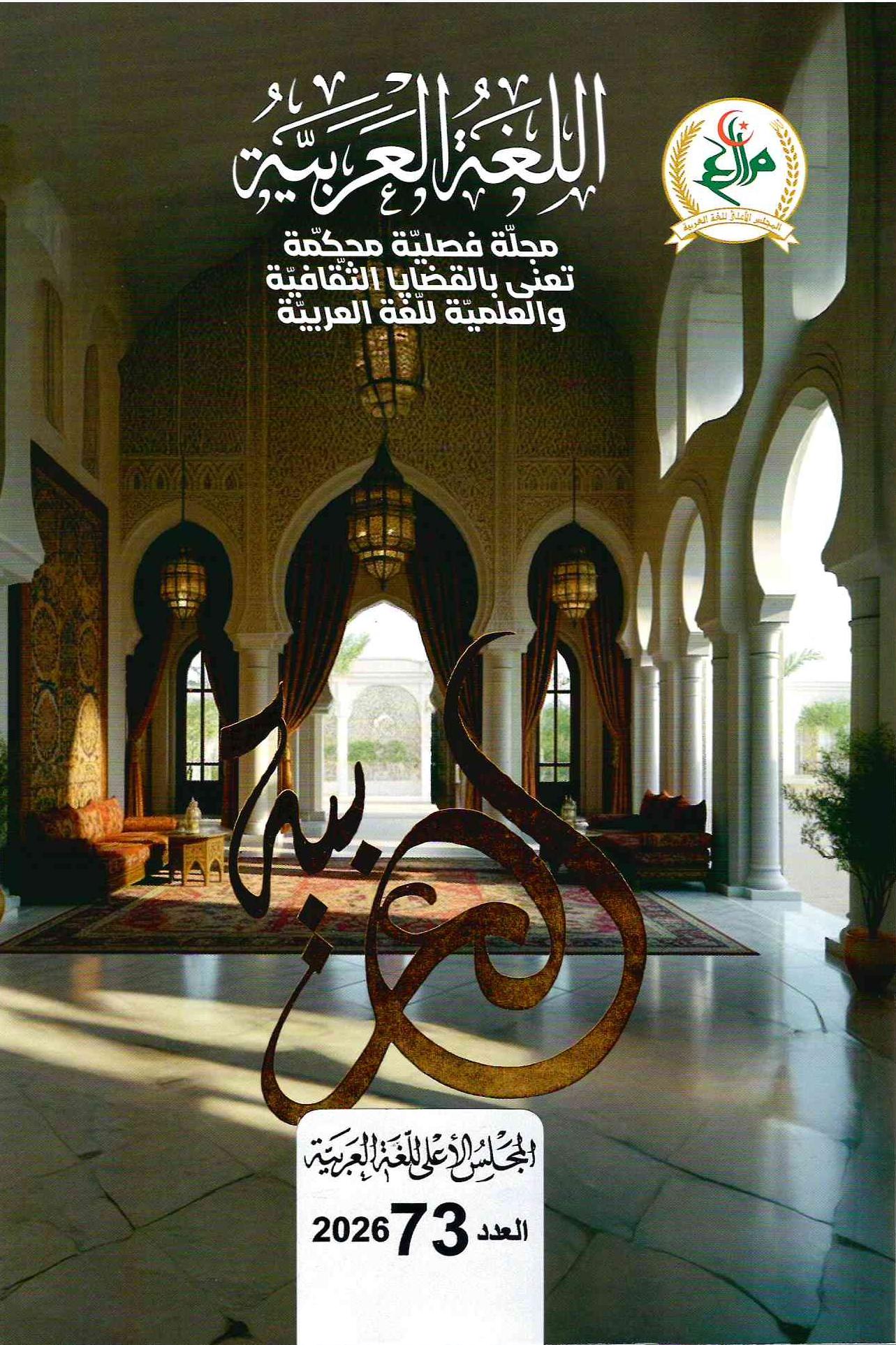
Main Article Content
Abstract
This study aims to define the epistemological boundaries of applied linguistics in light of current technological and digital transformations. The research stems from a central question: how can the identity of this discipline be defined amid the overlap between general linguistics, the humanities, and technological sciences? The study adopts an analytical and comparative approach between Western and Arab perspectives and reveals that applied linguistics has undergone three main stages: the emergence stage, associated with language teaching; the expansion stage, which included translation, lexicography, and language planning; and the digital innovation stage. The study concludes that applied linguistics has become an interdisciplinary field characterized by pragmatism, selectivity, and creativity. It draws its tools from multiple sciences and seeks to solve linguistic and educational problems through scientific and technological means.
Article Details

This work is licensed under a Creative Commons Attribution-NonCommercial 4.0 International License.




References
1- خالد حوير الشمس، اللسانيات البينيّة، مركز الكتاب الأكاديمي (الأردن: ط1، 2022م).
2- عبد العزيز بن إبراهيم العصيلي، علم اللغة النفسي، جامعة الإمام محمد بن سعود الإسلامية، (المملكة العربية السعودية: ط1، 2006م).
3- عبده الراجحي، علم اللغة التطبيقي وتعليم العربية، دار المعرفة الجامعية، (مصر: د.ط، 1995م).
4- عبد الكريم غريب، المنهل التربوي: معجم موسوعي في المصطلحات والمفاهيم البيداغوجية والديداكتيكية والسيكولوجية، مطبعة النجاح الجديدة، (المغرب: ط1، 2006م، ج2).
5- David Crystal، A Dictionary of Linguistics and Phonetics، Blackwell Publishing، USA، الطبعة السادسة، 2008م.
6- Lyons John، Language and Linguistics: An Introduction، Cambridge، Cambridge University Press، 1980م.
7- Meave Conrick and Martin Howard، From Applied Linguistics to Linguistics Applied: Issues, Practices, Trends، The British Association for Applied Linguistics، First published، 2007م.
8- Ronald Carter and David Nunan، The Cambridge Guide to Teaching to Speakers of Other Languages، Cambridge University Press، New York، First published، 2001م.
9- مجمع اللغة العربية بالشارقة، المعجم التاريخي للغة العربية: https://almojam.org/
1- Khālid Ḥuwayr al-Shams, al-Lisāniyyāt al-Bayniyya, Markaz al-Kitāb al-Akādīmī (al-Urdunn: Ṭ1, 2022).
2- ‘Abd al-‘Azīz b. Ibrāhīm al-‘Uṣaylī, ‘Ilm al-Lugha al-Nafsī, Jāmi‘at al-Imām Muḥammad b. Sa‘ūd al-Islāmiyya (al-Mamlaka al-‘Arabiyya al-Sa‘ūdiyya: Ṭ1, 2006).
3- ‘Abduh al-Rājḥī, ‘Ilm al-Lugha al-Taṭbīqī wa-Ta‘līm al-‘Arabiyya, Dār al-Ma‘rifa al-Jāmi‘iyya (Miṣr: d.ṭ., 1995).
4- ‘Abd al-Karīm Gharīb, al-Manhal al-Tarbawī: Mu‘jam Mawsū‘ī fī al-Muṣṭalaḥāt wa-al-Mafāhīm al-Bīdāghūjiyya wa-al-Dīdāktīkiyya wa-al-Sīkūlūjiyya, Maṭba‘at al-Najāḥ al-Jadīda (al-Maghrib: Ṭ1, 2006, J2).
5- David Crystal, A Dictionary of Linguistics and Phonetics, Blackwell Publishing, USA, 6th edition, 2008.
6- Lyons John, Language and Linguistics: An Introduction, Cambridge, Cambridge University Press, 1980.
7- Meave Conrick and Martin Howard, From Applied Linguistics to Linguistics Applied: Issues, Practices, Trends, The British Association for Applied Linguistics, first published, 2007.
8- Ronald Carter and David Nunan, The Cambridge Guide to Teaching to Speakers of Other Languages, Cambridge University Press, New York, first published, 2001.
9- Majma‘ al-Lugha al-‘Arabiyya bi-al-Shāriqa, al-Mu‘jam al-Tārīkhī li-Lughat al-‘Arabiyya: https://almojam.org/